
FairPath + Tebra: Less Manual Work for Care-Management Teams
FairPath helps practices using Tebra/Kareo reduce duplicate documentation work, connect care-management workflows, and save time on RPM, CCM, APCM, billing, and report follow-up.
Read MoreOperational guidance and analysis for APCM, RPM, RTM, and value-based care execution.
FairPath helps practices using Tebra/Kareo reduce duplicate documentation work, connect care-management workflows, and save time on RPM, CCM, APCM, billing, and report follow-up.
Read More
For years, Physician Fee Schedule (PFS) rates were set using data from office-based practices. Starting in 2026, CMS will now use auditable cost data from Hospital Outpatient Departments (OPPS) to set the rates for some PFS technical services, explicitly in...
Read More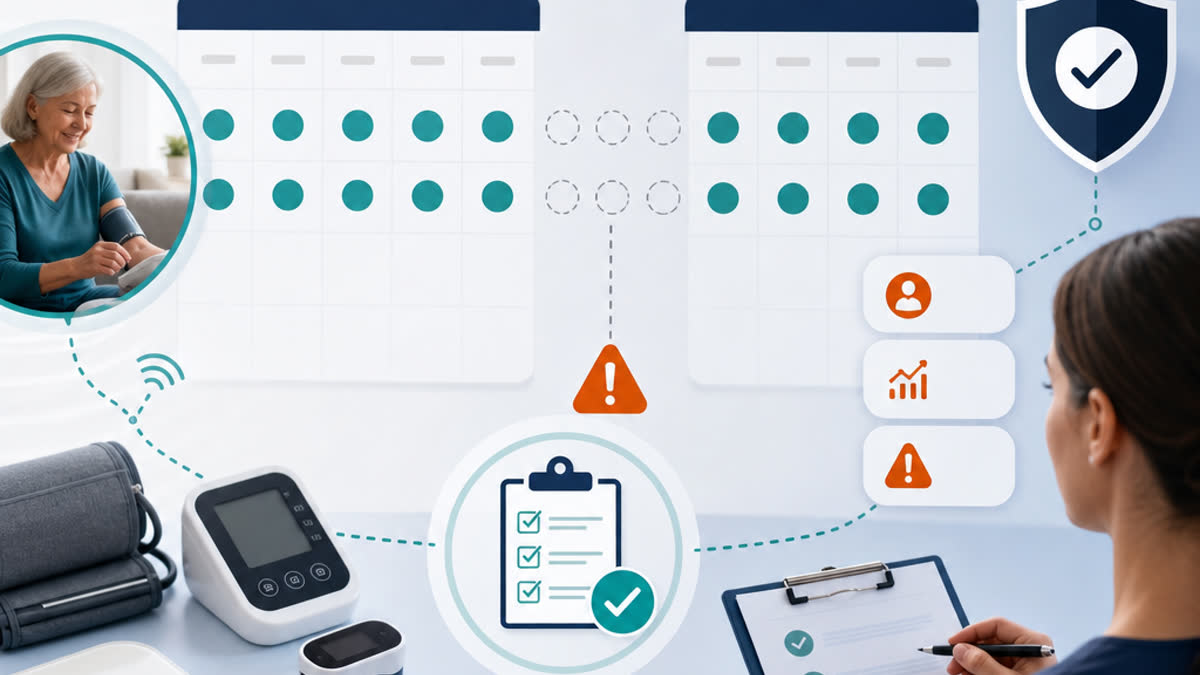
If you manage an RPM program, you already know about the 16-day rule. What you may not know is that the workaround some billing teams use to deal with non-compliant patients - pausing the billing cycle until the patient starts transmitting again - creat...
Read More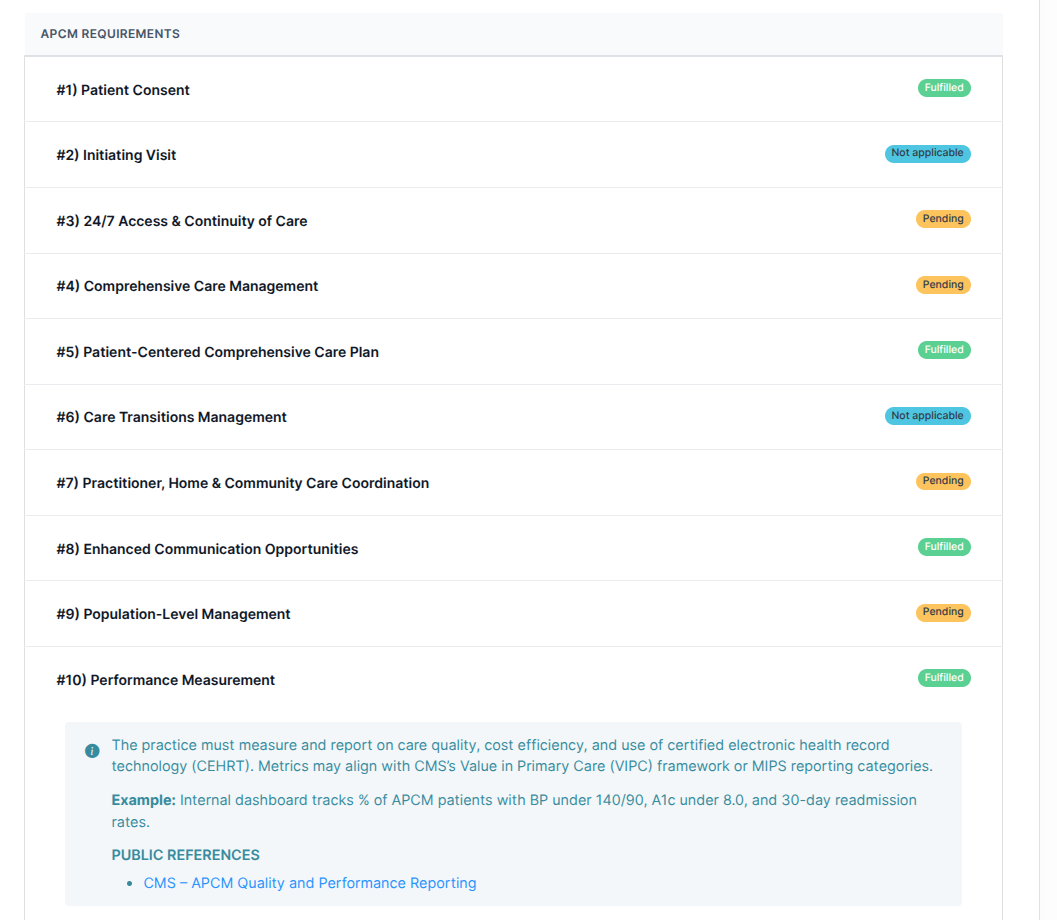
CMS has fused APCM eligibility, practitioner attribution, and continuity into a single monthly operating system. Billing without that coherence now creates denial and audit exposure. If you are treating these as three separate checkboxes, you are already be...
Read More
With 10 days left in the year, practices were bracing for a major UnitedHealthcare shift: a new RPM medical policy that would sharply narrow coverage to two indications and label most other RPM use as "unproven." Then UHC said it is postponing implementatio...
Read More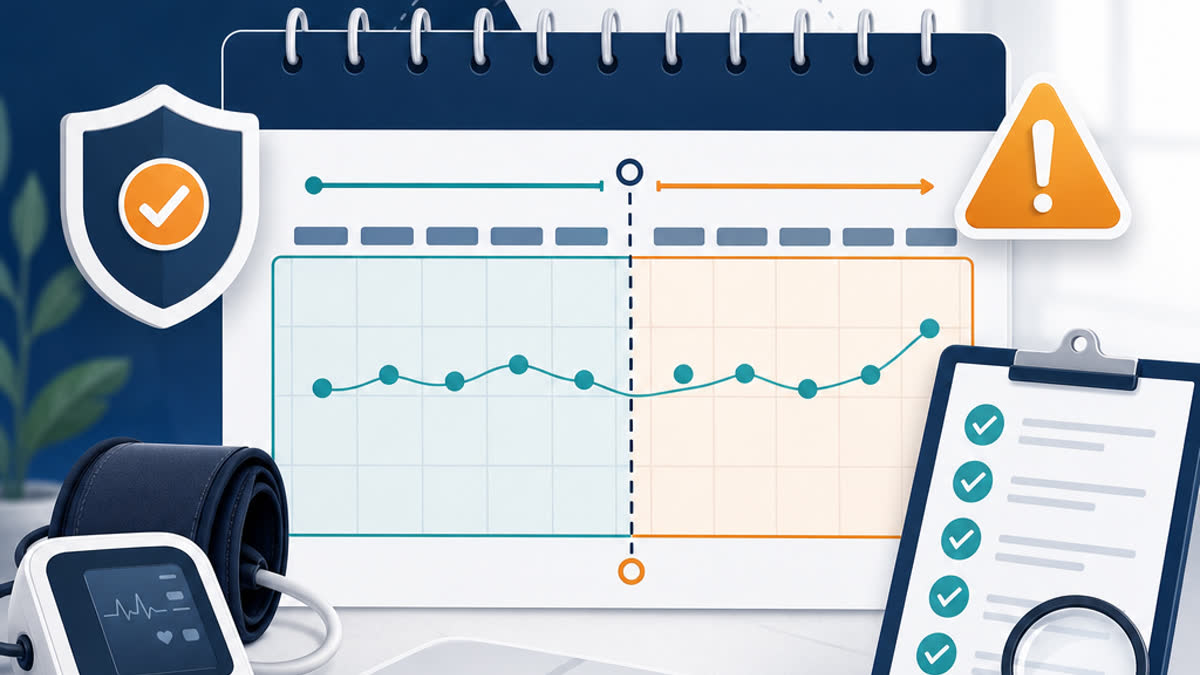
If you manage a Remote Physiological Monitoring (RPM) program, CPT code 99454 is likely your biggest source of revenue and, also likely, your biggest headache. The 16-day requirement - the patient must transmit data on at least 16 separate days within a 3...
Read More
CMS permanently adopted virtual direct supervision for services furnished after December 31, 2025. That sounds like a green light for remote care management, but it is narrower than most practices think. It changes where the supervisor can be, not what can...
Read More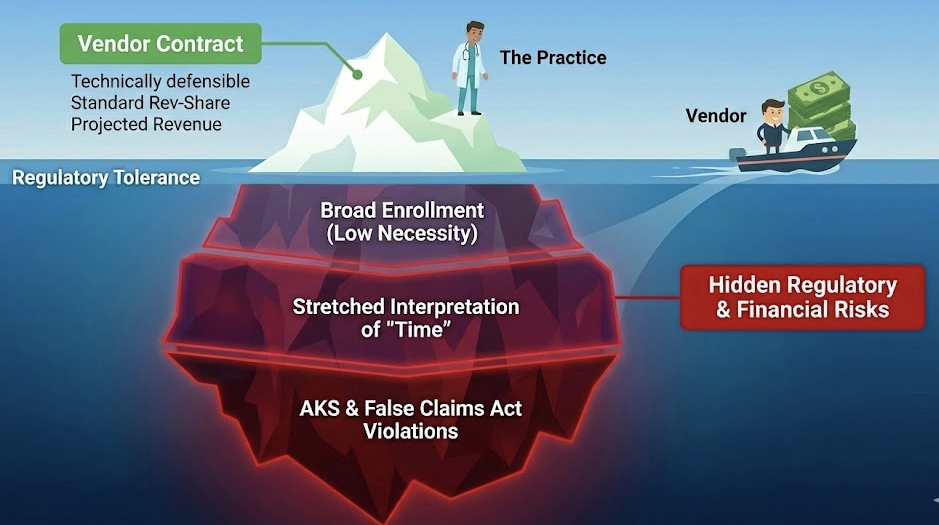
If your RPM, CCM, or RTM vendor is charging a percentage of collections, you may have a federal fraud-and-abuse problem that neither of you is talking about. It is the most common vendor pricing model in remote care, and it is structurally the hardest to de...
Read More
If you are running APCM, RPM, RTM, and behavioral health add-ons in the same practice, month-end billing is where most of the money leaks happen. Not because the codes are wrong, but because the overlap rules are complex enough that even experienced billers...
Read More
Independent pharmacies are being told they need to "diversify revenue." The default answer from industry consultants is telepharmacy - remote dispensing to underserved areas. That is a real business, but it is not the same business as clinical services re...
Read More
Eating disorders are not just a behavioral health problem. They are a chronic medical condition that requires ongoing primary care coordination, medical monitoring, medication review, nutrition support, family communication, and escalation planning. If your...
Read More.png)
Anthem has quietly made an important update to its clinical policy CG-MED-91 , effective December 18, 2025. The change aligns Anthem with CMS’s 2026 Physician Fee Schedule and formally recognizes the new “short-cycle” Remote Physiologic Monitoring (RPM) and Remote Therapeutic Mo…
Read More.png)
Originally published at: https://fairpath.ai/resources/uhc-postpones-2026-rpm-rollback
Read More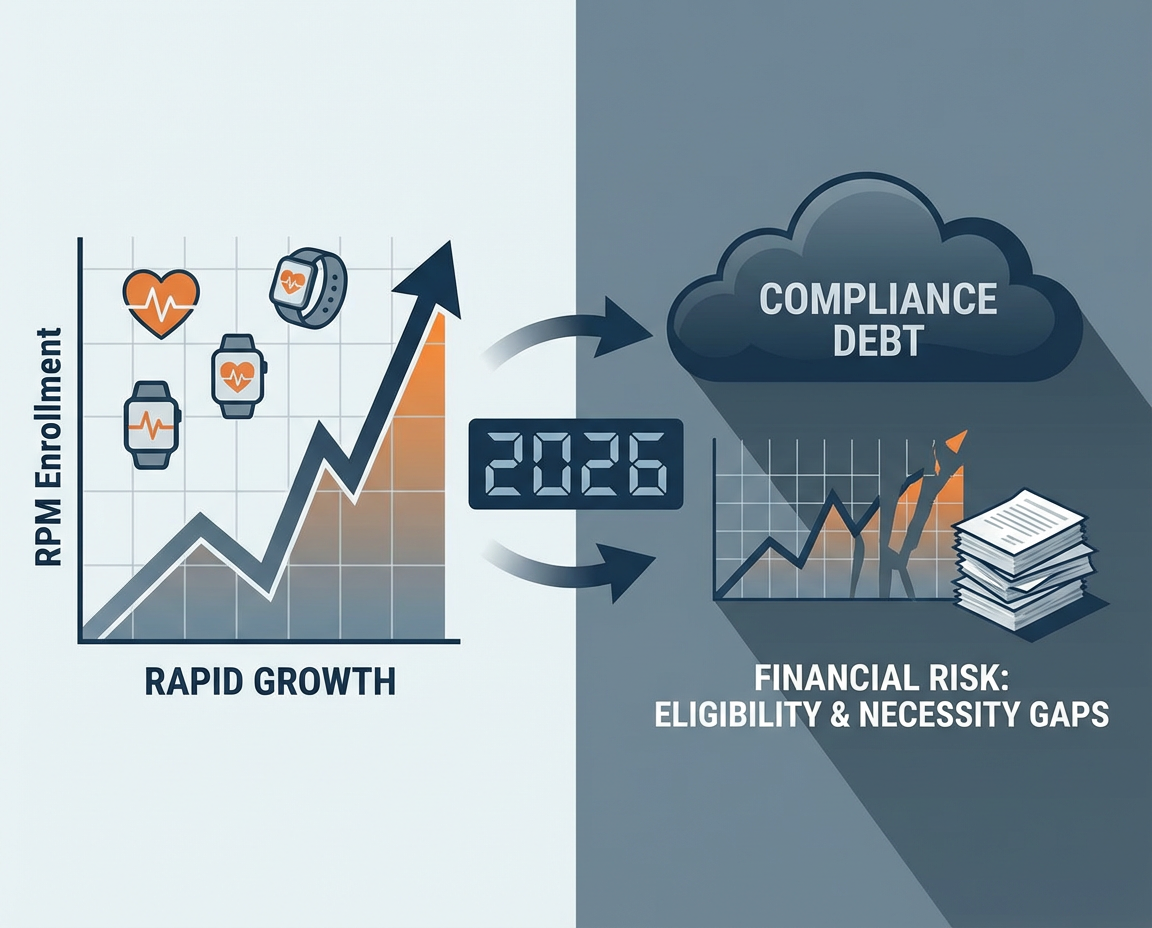
If you run an independent practice, rapid RPM growth probably still feels like a win.
Read More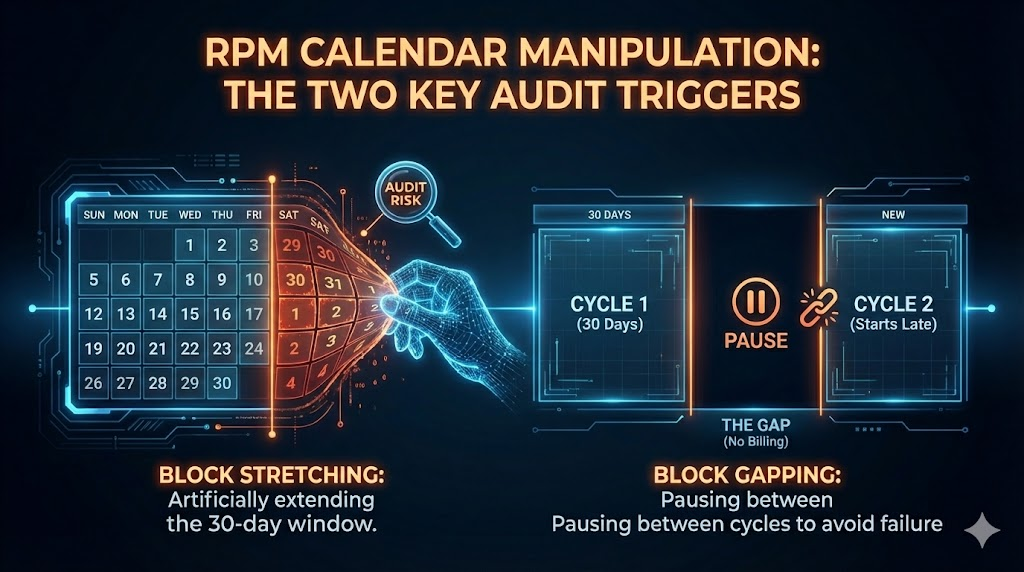
If you manage a Remote Physiological Monitoring (RPM) program, CPT code 99454 is likely your biggest source of revenue and, also likely, your biggest headache. This code, which reimburses for the supply of the device and data transmission, has long carried a notorious "all-or-no…
Read More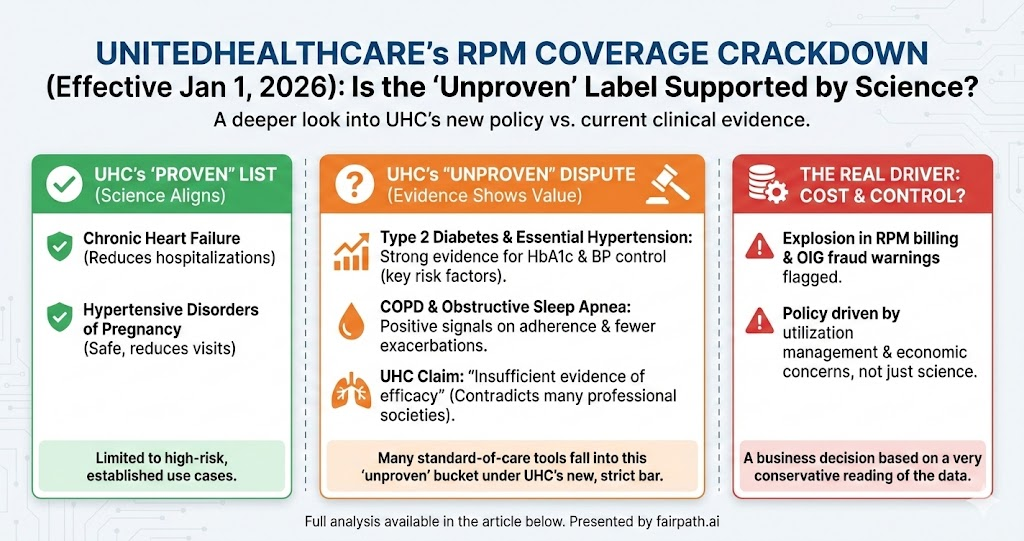
Beginning January 1, 2026, UnitedHealthcare (UHC) will dramatically narrow coverage for Remote Physiologic Monitoring (RPM) across its commercial, Medicare Advantage, and exchange plans.
Read More
If you are billing RPM for Diabetes, Hypertension, or COPD under UHC, your claims will likely be denied starting January 1st.
Read More
Over the past several years, I’ve heard it all. Remote patient care is a scam. It doesn’t work. RPM is designed to fail. I’ve listened to the frustrations from doctors, managers, and administrators who swear that remote care is nothing but another profit scheme wrapped in good i…
Read More
The CMS 2026 Physician Fee Schedule updates reshape how remote care coordination can be staffed, supervised, and reimbursed. Here’s what changed and how to operationalize it.
Read More
If your practice adopted APCM by shutting down RPM and RTM programs, you left money on the table. If you're running all three programs separately, you're burning cash on duplicate documentation and exposing yourself to compliance risk.
Read More